
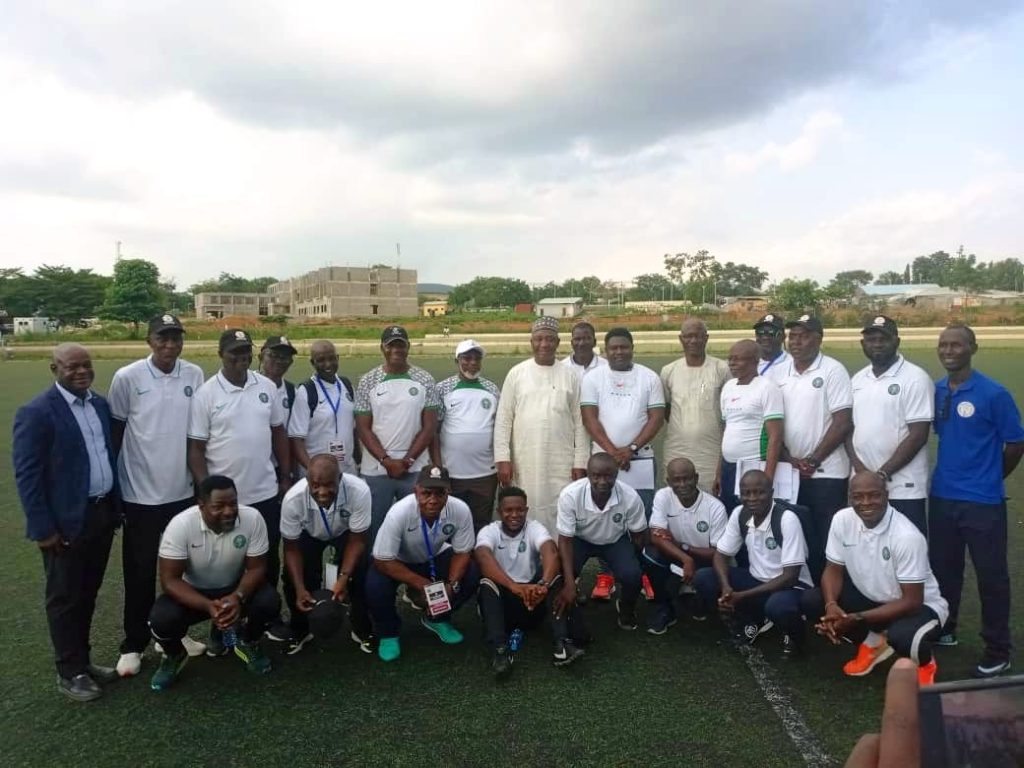
The President of the Nigeria Football Federation (NFF), Ibrahim Gusau, has reaffirmed his commitment to making football coaching education more accessible by decentralising coaching courses across the country.
The initiative is aimed at bringing professional coaching training closer to local communities, ensuring that aspiring coaches from different regions of Nigeria have greater opportunities to acquire the knowledge, skills, and certifications needed to advance their careers in football.
According to Gusau, expanding access to coaching education remains a critical component of the federation’s long-term strategy for developing football at the grassroots and professional levels. By taking coaching programmes beyond major cities and traditional football hubs, the NFF hopes to create a broader network of qualified coaches capable of nurturing talent across the country.
The proposed decentralisation is expected to remove some of the barriers that have historically limited participation in coaching courses. Many aspiring coaches often face challenges related to travel costs, accommodation expenses, and logistical difficulties associated with attending programmes held in distant locations. Bringing the courses closer to communities is expected to make participation more affordable and convenient.
Football stakeholders have welcomed the initiative, describing it as an important step toward strengthening the foundation of the sport in Nigeria. Experts believe that increasing the number of qualified coaches at the grassroots level will have a direct impact on player development, talent identification, and overall football standards.
Coaching education is widely regarded as one of the most important pillars of football development. Well-trained coaches play a vital role in shaping young players, implementing modern tactical approaches, promoting discipline, and fostering professional growth within the sport.
The decentralisation plan also aligns with broader efforts to promote inclusivity and equal opportunities in Nigerian football. By ensuring that coaching courses are available across various states and regions, more individuals will have the chance to contribute meaningfully to the development of the game regardless of their geographical location.
Observers note that stronger coaching structures can help bridge developmental gaps between urban and rural football communities. Increased access to quality training may uncover hidden talents and create pathways for future coaches who could eventually contribute at national and international levels.
Beyond improving coaching standards, the initiative is expected to strengthen grassroots football programmes and support the long-term sustainability of the sport. Enhanced coaching knowledge can lead to better-organised competitions, improved player welfare, and a more structured development system.
Gusau’s pledge reflects the growing recognition that investment in human capital is essential for football growth. Developing competent coaches is considered just as important as developing talented players, as both elements are necessary for achieving sustained success.
As the NFF continues to pursue reforms and development programmes, the decentralisation of coaching courses represents a significant step toward building a stronger football ecosystem. Stakeholders remain optimistic that the initiative will contribute to raising standards and fostering greater participation in football development across Nigeria.
If successfully implemented, the programme could help create a new generation of qualified coaches while strengthening the foundation upon which future successes in Nigerian football will be built.