
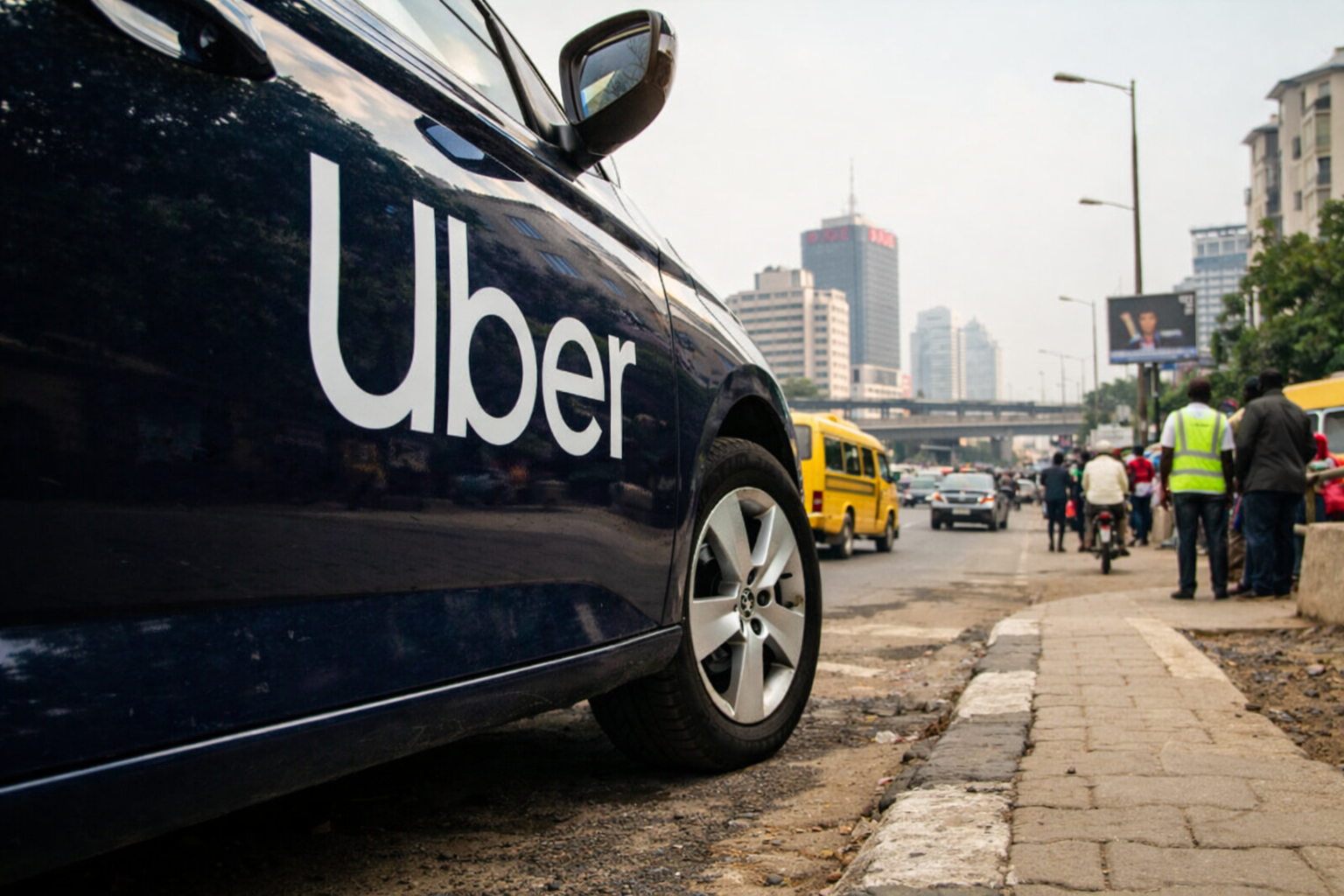
The ongoing strike by Uber drivers in Lagos is causing disruptions in the city’s transportation landscape, forcing the ride-hailing giant to call for urgent dialogue with the drivers. The dispute, stemming from grievances over fare disputes and working conditions, has escalated in recent days, prompting Uber to seek ways to bring the standoff to an amicable end.
Lagos drivers, many of whom rely on Uber as their primary source of income, have been protesting what they describe as unprofitable fare structures and poor support from the company. These concerns have fueled their decision to halt operations, much to the dismay of Lagos residents who depend heavily on ride-hailing services for daily commutes.
Drivers Demand Fair Compensation
At the heart of the strike lies a demand for better remuneration. Drivers argue that the current fare rates make it difficult for them to cover fuel costs and vehicle maintenance, especially given the rising prices of essential services. Many drivers have taken to social media and physical protests across Lagos to voice their dissatisfaction, highlighting a disconnect between the company’s promises and the reality on the ground.
According to reports, some drivers have accused Uber of imposing unfair deductions from their earnings and not providing adequate incentives during off-peak hours. This has led to reduced motivation and frustration among the drivers, who are calling on Uber to review its payment policies. The striking drivers insist that until their concerns are adequately addressed, the strike will continue.
Uber Calls for Open Dialogue
In response, Uber Nigeria has issued statements expressing its willingness to engage with the driver community to resolve the issues. The company acknowledged the disruptions caused by the strike and expressed commitment to maintaining a sustainable and safe platform for both drivers and riders.
Uber’s spokesperson emphasized the company’s readiness to sit at the negotiation table, promising to listen actively and work toward solutions that benefit all stakeholders. The company has also urged drivers to resume operations while discussions are underway to prevent further inconvenience to commuters.
Impact on Lagos Commuters
The strike has not only affected the drivers but also created significant challenges for daily passengers. Many Lagosians have found it difficult to secure rides, leading to longer waiting times and increased transportation costs. The void left by Uber’s idling fleet has forced some commuters to seek alternative means, including traditional taxis and buses, which often come with their own safety and comfort concerns.
Transportation analysts warn that prolonged strikes within the ride-hailing sector could have wider economic implications, as many Nigerians depend on these platforms for accessible and efficient transit. They encourage swift resolution of disputes through constructive dialogue to restore confidence and avoid prolonged disruptions.
As talks progress, all eyes remain on the Lagos government and stakeholders to facilitate a fair deal that will bring normalcy back to Lagos roads. Both Uber and the drivers face mounting pressure to find common ground, not only for their livelihoods but for the millions of passengers counting on them.