
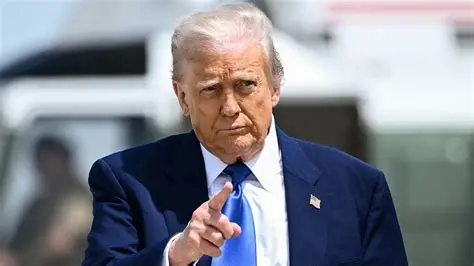
Former United States President Donald Trump has announced that Iran has agreed to undergo what he described as the highest level of nuclear inspections, a development that could have significant implications for international security and nuclear non-proliferation efforts.
According to Trump, the reported agreement represents an important step toward increasing transparency surrounding Iran’s nuclear activities. The inspections are expected to provide greater oversight of the country’s nuclear facilities and help reassure the international community about compliance with established nuclear standards.
While specific details regarding the scope, timing, and implementation of the inspections have not yet been made public, the announcement has attracted attention from global observers closely monitoring developments related to Iran’s nuclear programme.
For years, Iran’s nuclear activities have remained a major subject of international diplomacy, with world powers seeking assurances that the programme remains focused on peaceful purposes. Various agreements and monitoring arrangements have been pursued over the years to address concerns about nuclear proliferation and regional security.
Trump emphasized the significance of the reported understanding, suggesting that enhanced inspections could contribute to broader efforts aimed at reducing tensions and strengthening international confidence in nuclear oversight mechanisms.
Analysts note that comprehensive inspections are often viewed as a critical component of non-proliferation frameworks, enabling international bodies to verify compliance and ensure transparency regarding nuclear operations.
The development comes at a time when geopolitical attention remains focused on the Middle East, where security concerns and diplomatic negotiations continue to shape international relations. Any move that increases cooperation on nuclear monitoring is likely to be closely examined by governments and global institutions.
Observers also point out that successful implementation of rigorous inspection measures could help improve trust between Iran and the international community, potentially creating opportunities for further diplomatic engagement.
However, experts caution that the effectiveness of such agreements ultimately depends on the scope of access granted to inspectors, the consistency of monitoring activities, and the willingness of all parties to uphold their commitments.
Governments and international organizations are expected to seek additional information regarding the reported arrangement in the coming weeks. Clarification on the mechanisms, oversight procedures, and verification processes will be crucial in assessing the significance of the agreement.
As discussions surrounding Iran’s nuclear programme continue, the reported commitment to enhanced inspections represents a potentially important development in ongoing efforts to promote transparency, stability, and nuclear security on the global stage.