
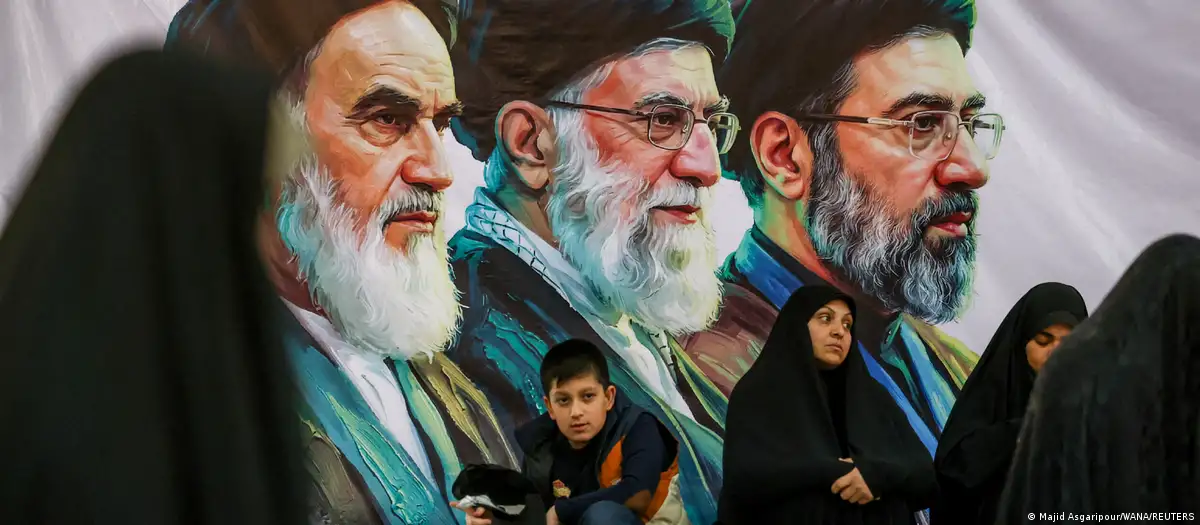
Iran is entering a period of uncertainty and transition as questions emerge over the country’s future leadership and political direction following Ayatollah Ali Khamenei’s era.
As Iran’s Supreme Leader for decades, Khamenei has played a central role in shaping the Islamic Republic’s domestic policies, foreign relations, and security strategy. Any transition from his leadership represents a major moment that could influence the future course of the country.
The emergence of a new order is expected to involve intense political negotiations among Iran’s powerful institutions, including religious authorities, the government, and security organizations. Key figures and factions are likely to compete for influence as the country seeks stability during the transition.
Beyond domestic politics, Iran’s next phase could have significant implications for its relationships with regional allies, Western nations, and global powers. Issues such as nuclear policy, economic challenges, and regional security are expected to remain central concerns for the country’s leadership.
For many Iranians, the transition raises questions about whether the new leadership will maintain existing policies or pursue reforms aimed at addressing economic pressures and public demands.
As Iran moves into this new chapter, the balance between continuity and change will shape the country’s political landscape and its role on the international stage.