
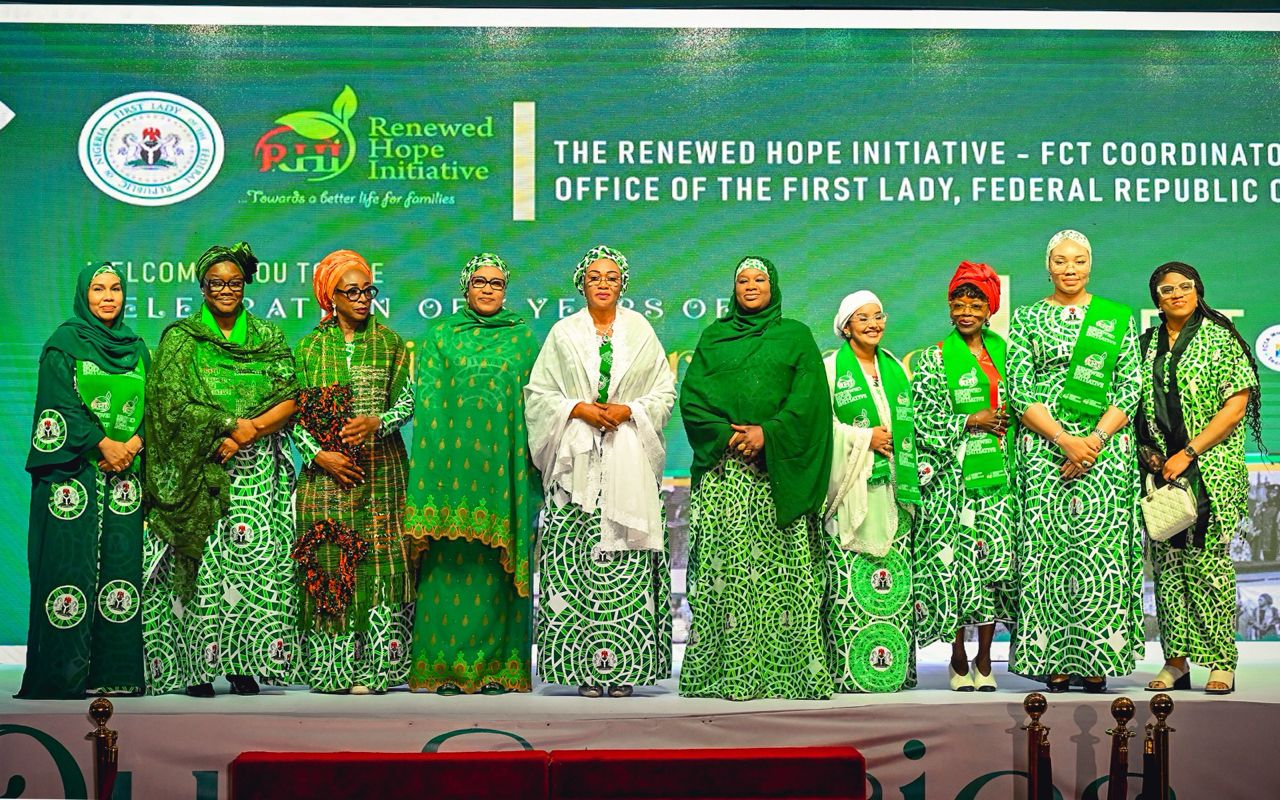
Nigeria’s First Lady, Oluremi Tinubu, has celebrated another milestone in the Rural Health Initiative (RHI), highlighting the programme’s growing impact on healthcare delivery across communities in the Federal Capital Territory (FCT).
Speaking during activities marking the anniversary of the initiative, the First Lady noted that the programme has successfully reached 27,000 beneficiaries within the FCT, reflecting its continued commitment to improving access to quality healthcare services for underserved populations.
The Rural Health Initiative was established to address healthcare challenges in rural and vulnerable communities by providing medical support, health education, and essential interventions aimed at improving overall well-being. The programme places particular emphasis on women, children, and other groups that often face barriers to accessing healthcare services.
According to Oluremi Tinubu, the achievement represents a significant step toward strengthening grassroots healthcare delivery and promoting healthier communities. She emphasized the importance of sustained efforts to ensure that residents in rural areas have access to the medical care and information needed to live healthier lives.
Over the years, the initiative has implemented various health-focused programmes designed to raise awareness about disease prevention, maternal and child health, nutrition, and general wellness. These interventions have contributed to improved healthcare outcomes and increased community participation in health-related activities.
The First Lady commended healthcare professionals, volunteers, development partners, and stakeholders who have contributed to the success of the programme. She noted that their dedication has been instrumental in extending healthcare services to thousands of beneficiaries across the territory.
Observers have described the milestone as an indication of the positive impact that targeted healthcare interventions can have on vulnerable communities. By reaching thousands of residents, the initiative continues to support efforts aimed at reducing health inequalities and improving access to essential services.
The anniversary celebration also provided an opportunity to reflect on the progress achieved since the programme’s inception while identifying areas for future expansion and improvement. Stakeholders reiterated the importance of continued investment in primary healthcare systems to ensure sustainable development across communities.
Healthcare experts have consistently stressed that strengthening rural healthcare infrastructure remains vital to improving national health outcomes. Initiatives such as the RHI are viewed as complementary efforts that help bridge gaps in service delivery and enhance awareness at the grassroots level.
As the programme continues to grow, expectations remain high that more communities will benefit from its interventions, helping to improve quality of life and promote healthier living standards across the country.
The milestone of 27,000 beneficiaries in the FCT underscores the Rural Health Initiative’s ongoing contribution to healthcare development and reinforces its role in supporting Nigeria’s broader public health objectives.